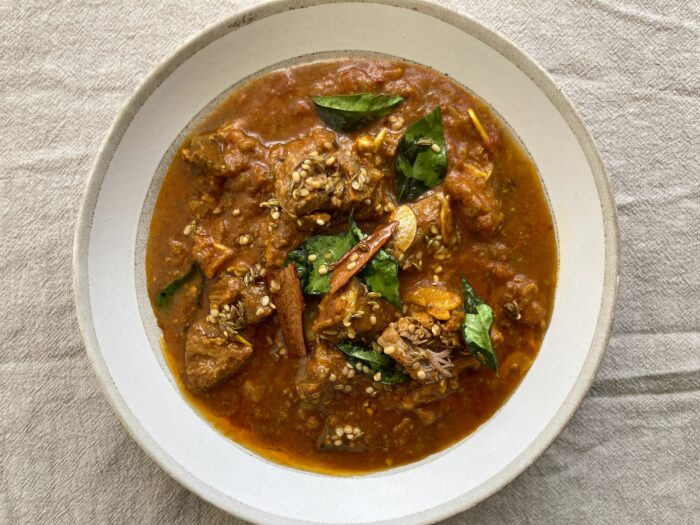

“Korma” the word itself sums up very different ideas of what the dish would taste and look like in peoples mind.
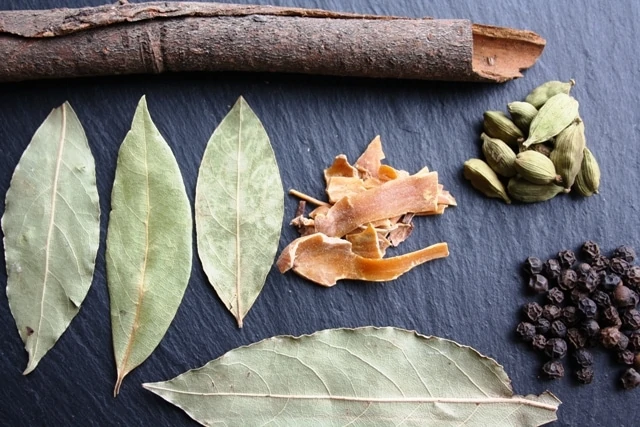
I’m a huge fan of Mughlai cooking and there are some brilliant restaurants dotted about across cities in India where you will find kebabs, niharis, rezalas and kheema dishes as part of their delectable mouth watering repertoire on the menu. All typical of mughlai cooking that are wonderful in their own right with layers of flavour, cooked to perfection and definitely worth a try. Though some of these are unheard of in UK restaurants; one thing that I know almost everyone would relate to is kormas. In India korma is associated with being a rich dinner party dish that is an amalgamation of ground spices; typically spices like chilli and turmeric powders would be part of the dish but more luxurious spices are also added to enhance flavour. The use of nutmeg, mace, cardamom and saffron are quite synonymous with kormas adding that delicate fragrance to the dish too; all laced in with yoghurt or ground pastes made from nuts or seed. Depending on regional influences (e.g. South Indians have their own unique take on cooking a korma or kurma as its known which is very delish!) coconut milk or grated coconut is used as well. Fresh green chillies and ground spices along with garam masala add the required heat to the dish.
I often recommend people try the korma I cook with a reassurance that there are more variations than just the mild variety commonly served. In UK a korma is usually something that is recommended for anyone who prefers a mild curry. It is usual white or pale in colour with little spicing and topped with raisins and almonds to bring out the richness of the dish.
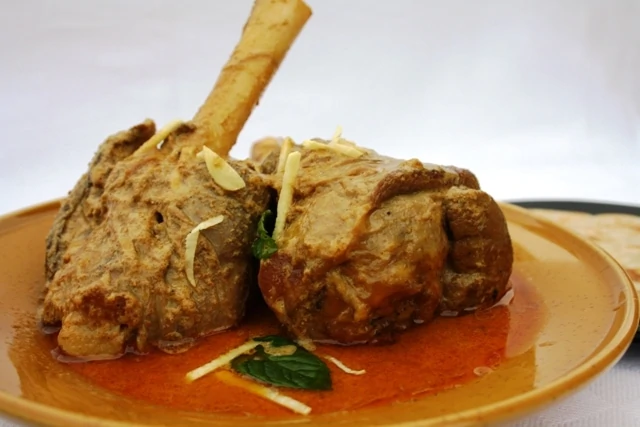
My recipe below is based around my influence eating it whilst visiting traditional homes and restaurants serving some of the best ‘Nalli Korma’ in a rich gravy, slow cooked goat shanks with the meat falling off the bone all mopped up with soft roomali rotis and red onion salad. My memories of eating it are of pure pleasure and the best part is they come flooding back when I cook it. I have used lamb leg shanks which are readily available. You can opt for shoulder shanks too though goat shanks would be ideal as they are smaller in size.